-
Why Do Beekeepers Kill Their Bees?

Bees are a very important pollinator. They help produce a lot of food for us. However, they are also harmed by the exploitation of honey for human use. This entails the killing of a large number of bees. In the winter, bees have to survive on very limited food supplies. Often they will not be…
-
Where Do Beekeepers Keep Bees?

Backyard beekeeping is increasing in popularity, which means that more and more people are keeping bees in their own backyards. This is a great opportunity for new beekeepers to start their own hive and share their honey with the neighbors. As a new beekeeper, you will need to invest in the necessary equipment and supplies…
-
How Do Beekeepers Assist Bees?
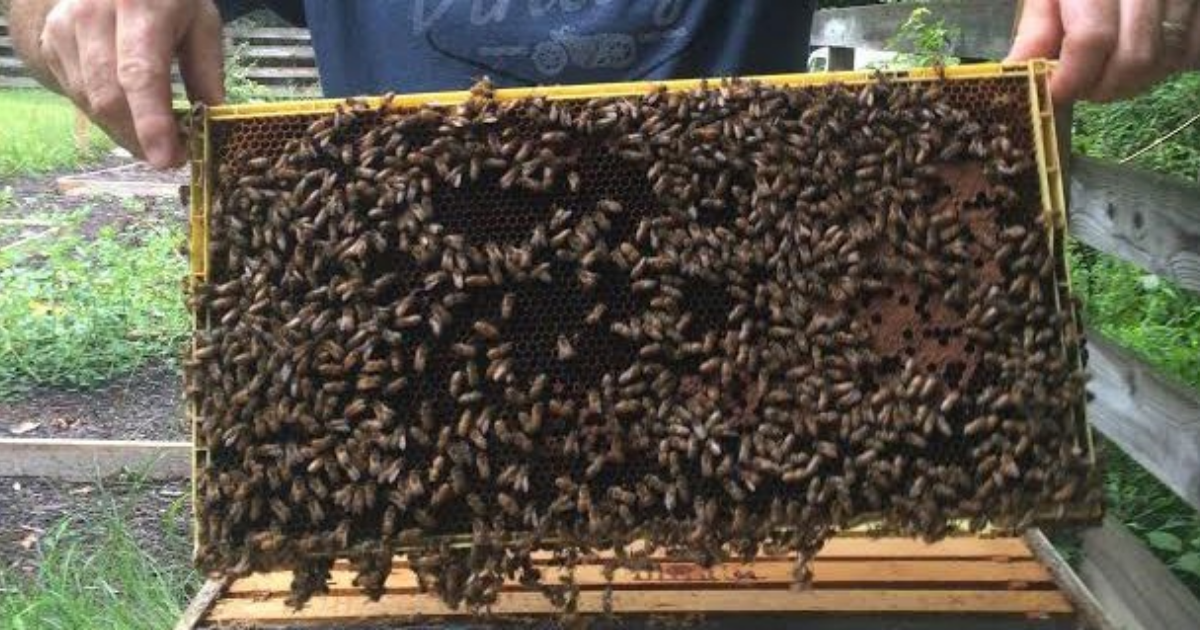
Bees produce a variety of products that benefit people, such as honey, pollen, beeswax, royal jelly and propolis. They also play a vital role in our food supply by pollinating crops like almonds. However, as more and more beekeepers become involved in hobby beekeeping, they’re not actually helping wild bees – and may be doing…
-
What Do Beekeepers Spray on Bees?

There are a few different things that beekeepers spray on bees. The most common method is a smoke spray, but sugar water can also be used. Smoke pacifies bees by masking their alarm pheromones. This makes it easier for beekeepers to carry out inspections without being stung or attacked by the bees. Smoker Smoking has…
-
What Do Beekeepers Perform In the Winter?

Winter can be a stressful and deadly time for a hive. Beekeepers take steps to minimize losses by making sure their colonies are well-fed, strong, and disease free. Honey bees are adapted to their climate and can survive the winter as long as they have enough food. But some colonies do inevitably die of starvation.…
-
Places Where Beekeepers Work
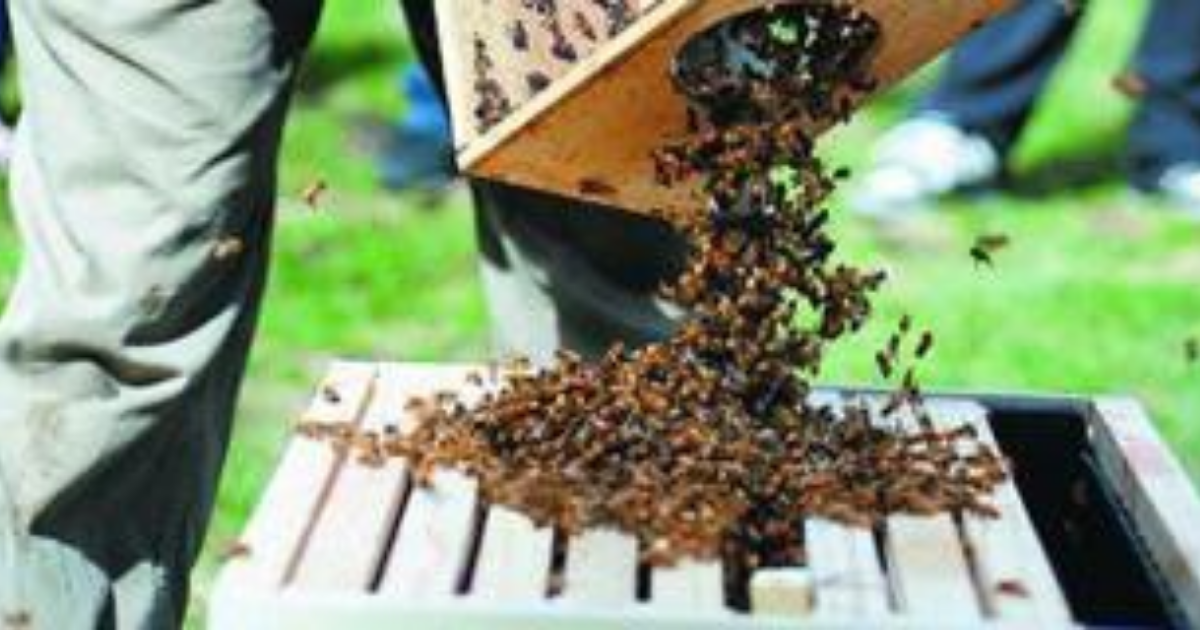
Beekeepers build and clean hives, induct wild swarms, split colonies, collect honey, and ensure the overall health of the hive. The average beekeeper manages a few hundred hives, and their responsibilities vary depending on the climate. They also work long hours, especially during peak seasons like spring and summer when the bees are most active.…
-
The Number Of Beekeepers Exist worldwide?
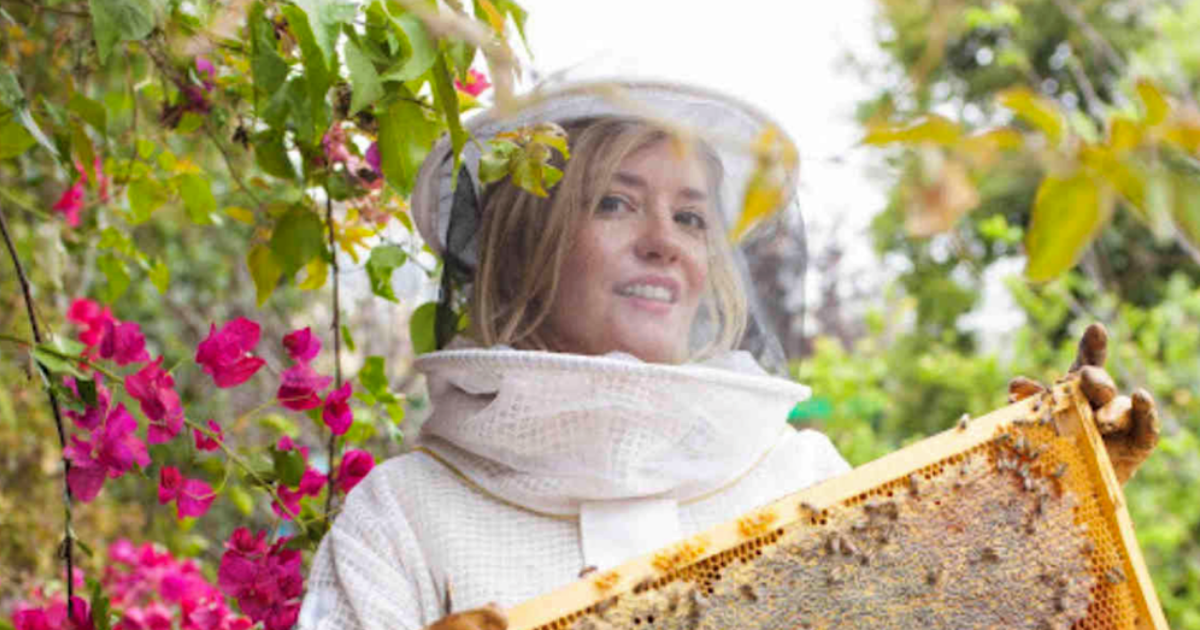
Bees are a vital part of our agricultural system, with over 30% of the world’s most common food crops relying on bee pollination services. The number of beekeepers is increasing worldwide, with many people turning to beekeeping as a hobby or career. If you’re interested in becoming a beekeeper, there are a few things that…
-
Bee Removal – How Does a Beekeeper Get Rid Of Bees?

Bee removal can be difficult, even for experienced beekeepers. It can involve working in close proximity to stinging insects and can be physically and emotionally exhausting. Removing bees from a structure requires knowledge of best management practices, experience with the stinging insect and safety equipment. If the bees are ensconced in a structure, it may…
-
Will Beekeepers Remove Bees For Free?

If you have a swarm of bees on your property, you may wonder whether a beekeeper will remove them for free. While some beekeepers do offer their services for free, others will charge you a fee. Removing swarms and established colonies is a specialized and dangerous job that requires a lot of training, specialized equipment…